Recent Wildfires Renew Attention On How Power Grids Manage Fire Risk
The International Energy Agency has published a commentary on wildfire risk and electricity grids, saying recent wildfires worldwide have renewed attention on the energy sector.

CTJ Desk
Published •7 min read
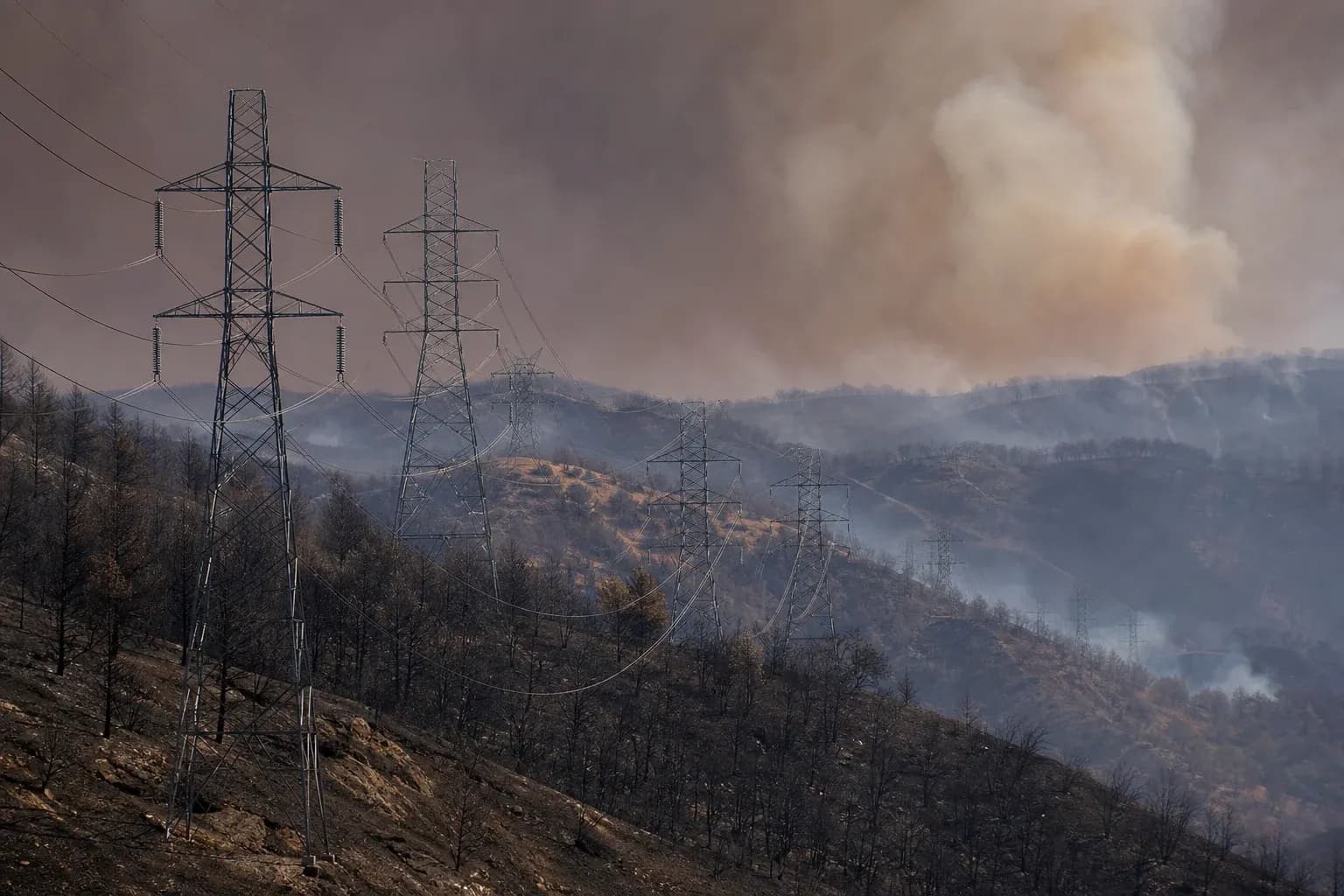
The International Energy Agency has published a new commentary on how wildfire risk is intersecting with electricity systems. In the short summary released with the item on Oct. 30, 2026, the agency says recent wildfires around the world have renewed attention on the energy sector, particularly electricity grids.
The publication, titled How grids are navigating rising wildfire risk, is presented as a commentary rather than a statistical dataset, consultation document or regulatory decision. Based on the summary available from the International Energy Agency, the central finding is straightforward: wildfire risk is an increasingly relevant issue for power networks.
Recent Wildfires Worldwide Have Renewed Attention On Grid Exposure
According to the International Energy Agency, the trigger for the commentary is the recent occurrence of wildfires in different parts of the world. The agency says those events have renewed attention on the way wildfire risk intersects with the energy sector.
Within that broader energy-sector picture, the summary places particular emphasis on electricity grids. In practical terms, grids include the transmission and distribution networks that move power from generation sources to homes, businesses and industry. Because those networks extend across long distances and varied terrain, wildfire conditions can become an operational and infrastructure issue for utilities and system operators.
The summary does not provide numerical indicators, country-by-country comparisons or a regional breakdown. It also does not list any figures for damaged assets, customers affected, spending, or system performance. As a result, the main reportable point from the published summary is the subject itself: wildfire risk and grid operations are being examined together in the IEA commentary.
The Commentary Centers On The Energy Sector, With Electricity Grids As The Main Focus
The wording used by the International Energy Agency ties wildfire risk specifically to the energy sector, but singles out electricity grids as the area of focus. That framing matters for understanding the scope of the publication.
A grid-focused discussion can cover the physical network, day-to-day operations and planning for extreme conditions. More generally, grid operators manage power flows, maintain lines and substations, and coordinate restoration work when weather-related events affect equipment or access. Those are standard features of electricity systems and help explain why wildfire risk can be treated as a grid issue.
The available summary, however, does not set out the detailed topics covered inside the commentary. It does not specify which countries or utilities are discussed, what technical measures are described, or whether the article looks at transmission systems, local distribution systems or both. It also does not include technical performance metrics or a list of case studies.
No Numerical Findings Or Formal Action Timetable Are Included In The Available Summary
For readers looking for key figures, the information released in the summary is limited. The International Energy Agency does not provide numbers in the summary text accompanying the commentary. There are no published totals in the available material for wildfire incidents, grid assets, investment levels, outage duration or resilience measures.
The format of the publication also indicates what it is not. A commentary is typically an analytical article, not a market tender, rulemaking, funding award or compliance filing. In the summary available on the IEA page, there is no formal process attached to the publication, no consultation deadline and no implementation schedule.
That means the next steps named in the available source are also limited. The summary does not identify follow-up milestones, agency actions, reporting deadlines or future decisions. From the information provided, the immediate next step is simply the publication of the commentary itself as an analytical piece on the relationship between wildfire risk and electricity grids.
The IEA Release Adds An Analytical Item To Ongoing Grid-Risk Coverage
What the International Energy Agency has published is a focused commentary on a defined risk topic: how grids are navigating rising wildfire risk. The summary establishes three facts that can be reported directly from the source: the item was published by the International Energy Agency on Oct. 30, 2026; it addresses recent wildfires worldwide; and it examines how that risk intersects with the energy sector, especially electricity grids.
Beyond those points, the available summary remains concise. It does not add quantified findings or a detailed roadmap, but it does clearly identify wildfire risk and electricity grids as the subject of the IEA's latest commentary.