Top 10 Emerging Clean Energy Technologies to Watch
See the top 10 emerging clean energy technologies to watch, from hydrogen truck refuelling to sodium-ion batteries, and how close each is to market.

Suraj Kadam
Published •25 min read
These are the top 10 emerging clean energy technologies to watch, chosen for how quickly they have moved from the lab towards the market since 2020. The ranking is based on the International Energy Agency's Clean Energy Technology Guide, which tracks the progress of more than 600 technologies every year.
High-flow hydrogen refuelling for heavy trucks tops the list, going from an untested concept to its first commercial projects in five years. Hydrogen fuelling for ships, battery passports and sodium-ion batteries follow, showing how fast transport and battery technologies are advancing.
Emerging Clean Energy Technologies Ranked by Progress Toward Market
Rank | Technology | Sector | Where it stands today |
|---|---|---|---|
1 | High-flow hydrogen refuelling for heavy trucks | Transport | First commercial projects |
2 | Hydrogen bunkering for ships | Transport | First commercial projects |
3 | Battery passport | Critical minerals | Full-scale prototype |
4 | Sodium-ion storage battery | Energy storage | Commercially available |
5 | Ammonia co-firing in coal power plants | Hydrogen | First commercial projects |
6 | Smart charging for electric vehicles | Transport | First commercial projects |
7 | Biological metals recovery | Critical minerals | Pre-commercial demonstration |
8 | Electrochemical metal recovery | Critical minerals | Pre-commercial demonstration |
9 | Funicular floor system | Buildings | Pre-commercial demonstration |
10 | Metal-air storage battery | Energy storage | Pre-commercial demonstration |
How We Ranked These 10 Technologies
- Ranked by: how far each technology moved towards commercial use between 2020 and 2025, based on the yearly readiness assessments in the IEA ETP Clean Energy Technology Guide (public dataset, retrieved 2026-11-11). This is the only measure used for the order.
- Included: the 500 technologies assessed in both 2020 and 2025.
- Excluded: technologies first assessed after 2020, as their progress since then cannot be measured.
- Ties: technologies that moved the same distance are ordered by how close they are to market today, then alphabetically.
1. High-Flow Hydrogen Refuelling for Heavy Trucks
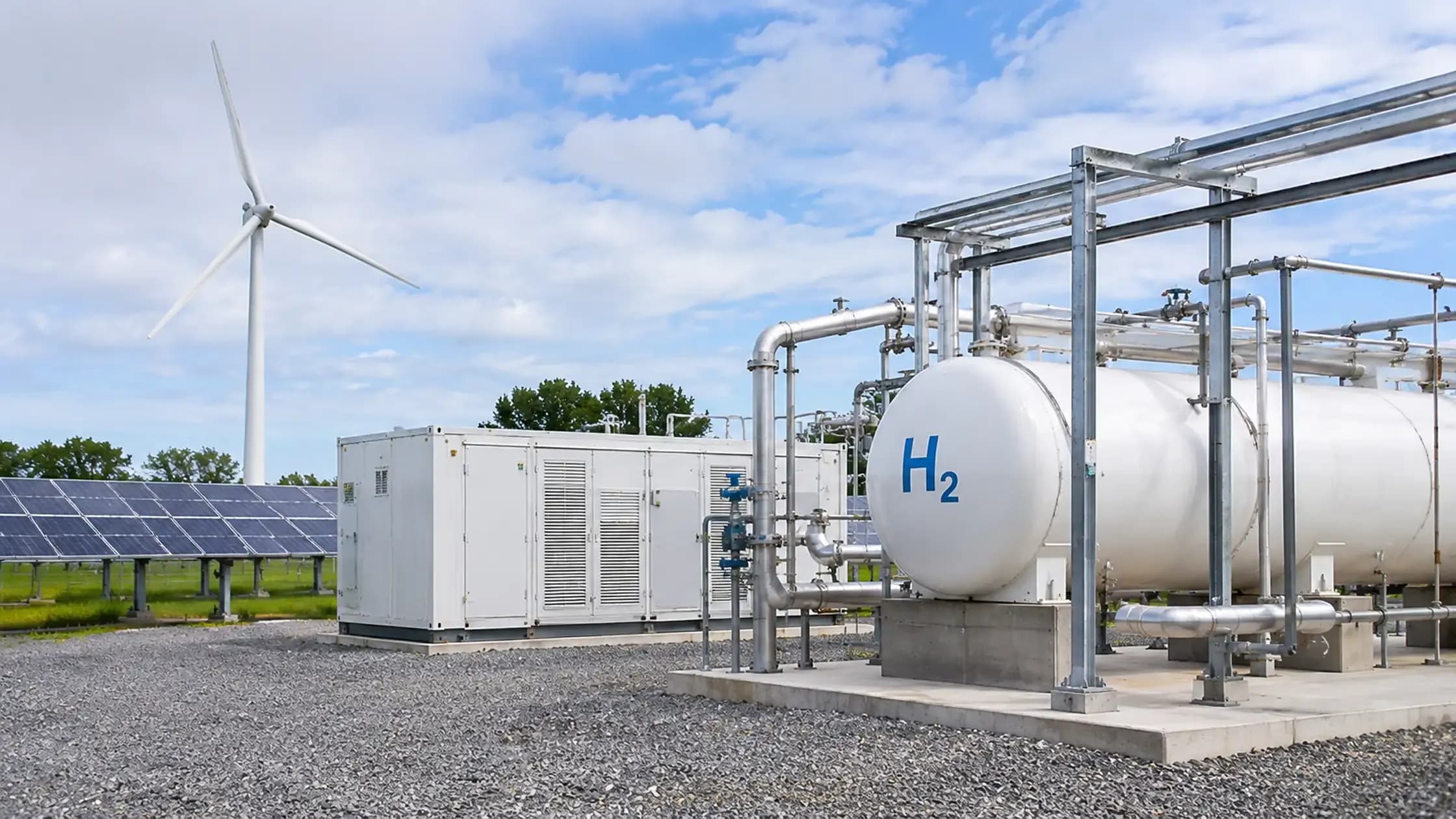
Hydrogen trucks can only replace diesel on long routes if they refuel just as quickly. High-flow refuelling stations push hydrogen into the tank at more than 120 grams per second, fast enough for a heavy truck to fill up in a similar time to a diesel truck.
Stations built for cars and buses are too slow for this, so new components and fuelling methods had to be developed. In 2020 the idea was still an untested concept; it has now reached the stage of first commercial projects, with most of that progress coming in the last year.
If these stations spread, fuel cell trucks could compete with battery electric trucks on long-haul routes, according to the guide.
2. Hydrogen Bunkering for Ships
Bunkering is how ships take on fuel in port. Hydrogen bunkering allows ships to refuel with hydrogen, either as a liquid or as a compressed gas, and the right system depends on how the ship stores its fuel.
Liquid hydrogen is expected to be cheaper to move, so liquefaction plants are likely to be built close to ports. Five years ago the technology was an early prototype; it has since reached its first commercial projects.
The guide expects hydrogen to play an important role for small and medium-sized ships, which makes bunkering infrastructure essential.
3. Battery Passport
A battery passport is a digital record that follows a battery from the factory to the end of its life. Codes on the battery give access to data on its materials, use and location.
This helps measure a battery's carbon footprint and makes recycling easier. In 2020 it was little more than an idea; today it has been built and tested as a full-scale prototype.
Rules are now pushing it forward. Under EU law, a digital passport will be required from 18 February 2027 for electric vehicle batteries, light transport batteries and industrial batteries above 2 kWh.
4. Sodium-Ion Storage Battery
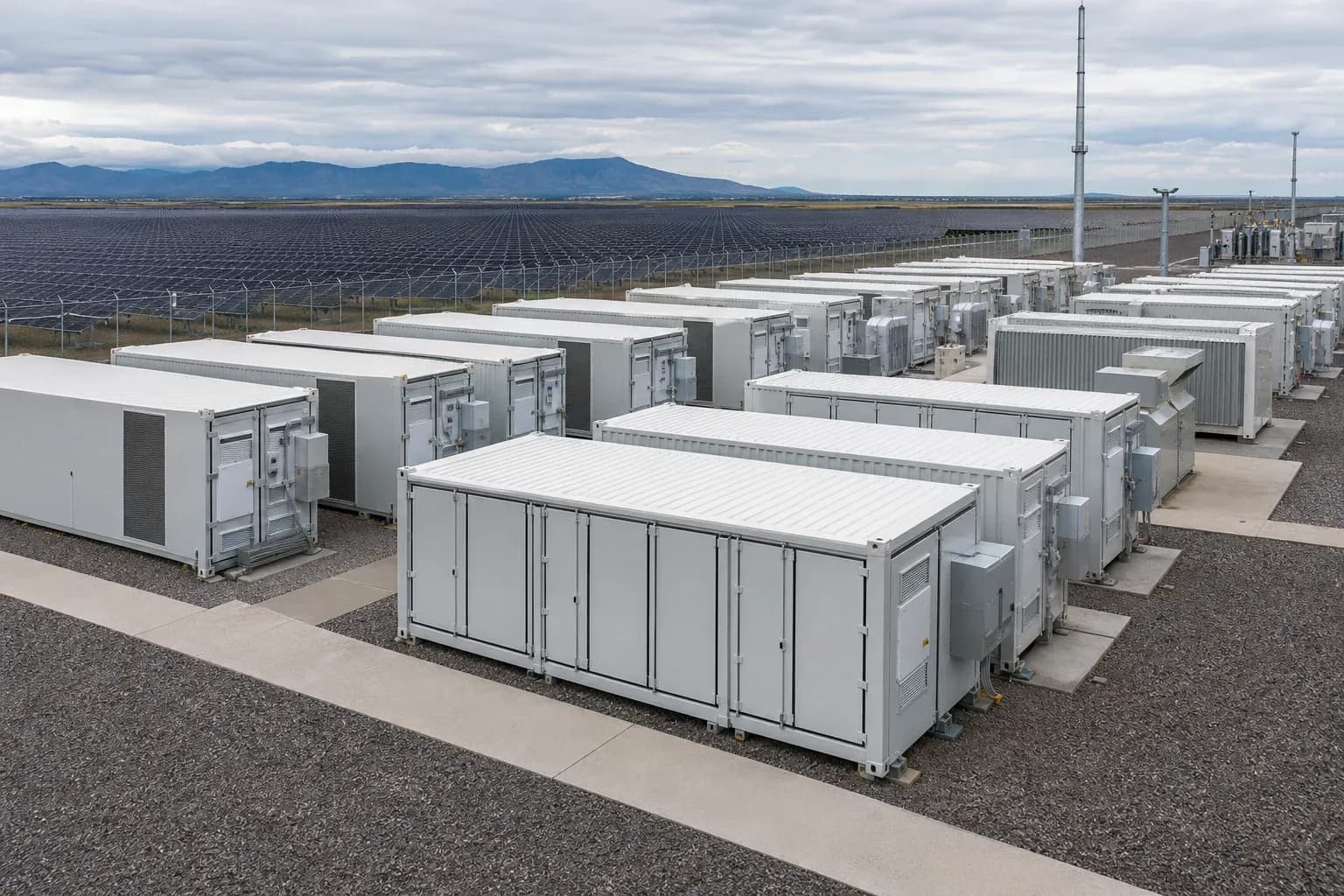
Sodium-ion batteries work like lithium-ion batteries, but use sodium, which is far more abundant and easier to source. Their main drawbacks are lower energy density and shorter life.
That makes them a good fit where size and weight matter less, such as storing power for the grid. They became fully commercial in 2025, the only technology in this list to do so.
The guide still describes them as "awaiting adoption", meaning they are ready but not yet widely used. They can complement lithium-ion batteries for storing solar and wind power within a day.
5. Ammonia Co-Firing in Coal Power Plants
Co-firing means burning ammonia together with coal in an existing power plant. Blending up to 20% ammonia needs only minor changes to the plant and has already been done at commercial scale, according to the guide.
It cuts emissions only if the ammonia itself is produced with low emissions. Pure ammonia burners are also being developed to replace coal entirely.
Japan has led this work. Its energy ministry describes a 20% co-firing test at the 1 GW Hekinan coal plant and estimates that 20% co-firing at all utility coal plants could cut about 40 million tonnes of CO2.
6. Smart Charging for Electric Vehicles
Smart charging manages when electric vehicles charge, so they avoid times of peak demand and do not overload local grids. It can work in the background, without drivers having to change their habits.
The technology needs little new hardware. The main innovation is in software that combines grid data, remote sensing and control, and it has moved steadily from prototype to its first commercial projects.
As more electric vehicles plug in at home, the guide notes that local grid "hotspots" are already appearing. Smart charging helps spread that load.
7. Biological Metals Recovery
This technology uses microorganisms to recover metals such as lithium, cobalt, copper and nickel from waste and ores. It can be more efficient than other recovery methods, although it works more slowly.
It is already used in the mining industry and has moved from early prototype to pre-commercial demonstration for wider use.
For clean energy, it offers a new source of the critical minerals needed for batteries, wind turbines and electric vehicles.
8. Electrochemical Metal Recovery
Electrochemical recovery uses electricity to pull high-purity metals out of complex, low-concentration solutions. It can be used both for recycling and for producing new metals.
The technology has moved from early prototype to pre-commercial demonstration. According to the guide, it can raise recycling rates for several metals, including those in lithium-ion batteries.
9. Funicular Floor System
A funicular floor is a lightweight concrete floor shaped as thin vaults and ribs, which carry loads mainly through compression, much like an arch. This design can replace about 70% of the concrete in a conventional floor slab.
Less concrete means lower emissions from cement, one of the hardest materials to decarbonise. The gaps between the ribs can also be filled with insulation, improving a building's thermal performance.
The system had stayed at the early prototype stage for years before reaching pre-commercial demonstration in 2025.
10. Metal-Air Storage Battery
Metal-air batteries use a metal such as iron, zinc or lithium together with oxygen from the air. They discharge slowly, so they are less suited to electric cars.
They are, however, well suited to storing energy for several hours or even days. The technology has moved steadily from early prototype to pre-commercial demonstration.
The guide sees iron-air batteries in particular as a good complement to lithium-ion and sodium-ion batteries, helping grids run on more wind and solar power.
Transport and Battery Technologies Lead the Progress
Batteries and the minerals behind them dominate the list. Five of the 10 technologies involve battery storage, battery tracking or the recovery of battery metals.
Transport contributes three of the top six, all linked to new fuels or charging: hydrogen for trucks, hydrogen for ships and smart charging for electric vehicles.
Fast Progress Is Still the Exception
Rapid progress like this is rare. Of the 500 technologies tracked since 2020, just over a third moved closer to market at all, and only 13 made a leap as large as the ones in this list.
Progress also tends to come in sudden steps rather than gradually. Most technologies in the top 10 made their biggest jump in a single year, while sodium-ion batteries, smart charging and metal-air batteries improved steadily.
SOURCES
Written by
Suraj Kadam
Suraj Kadam is a journalist and Chief Editor of CleanTech Journal, a knowledge and media platform covering clean technology, solar energy, and renewable energy. He reports on emerging technologies, industry developments, policy trends, and innovations shaping the global clean energy transition. Through his editorial work, Suraj aims to make complex clean technology topics accessible to industry professionals, researchers, policymakers, and readers interested in sustainable energy. His work focuses on delivering insightful, informative, and engaging coverage of the evolving renewable energy landscape.