AI Data Centres Can Support Grids With Flexible Loads Under 2026 Antalya Pledge
The 2026 Antalya AI Pledge sets out voluntary commitments on how AI is powered and managed, with flexible workloads, storage and energy management identified as tools for grid participation.

CTJ Desk
Published •8 min read
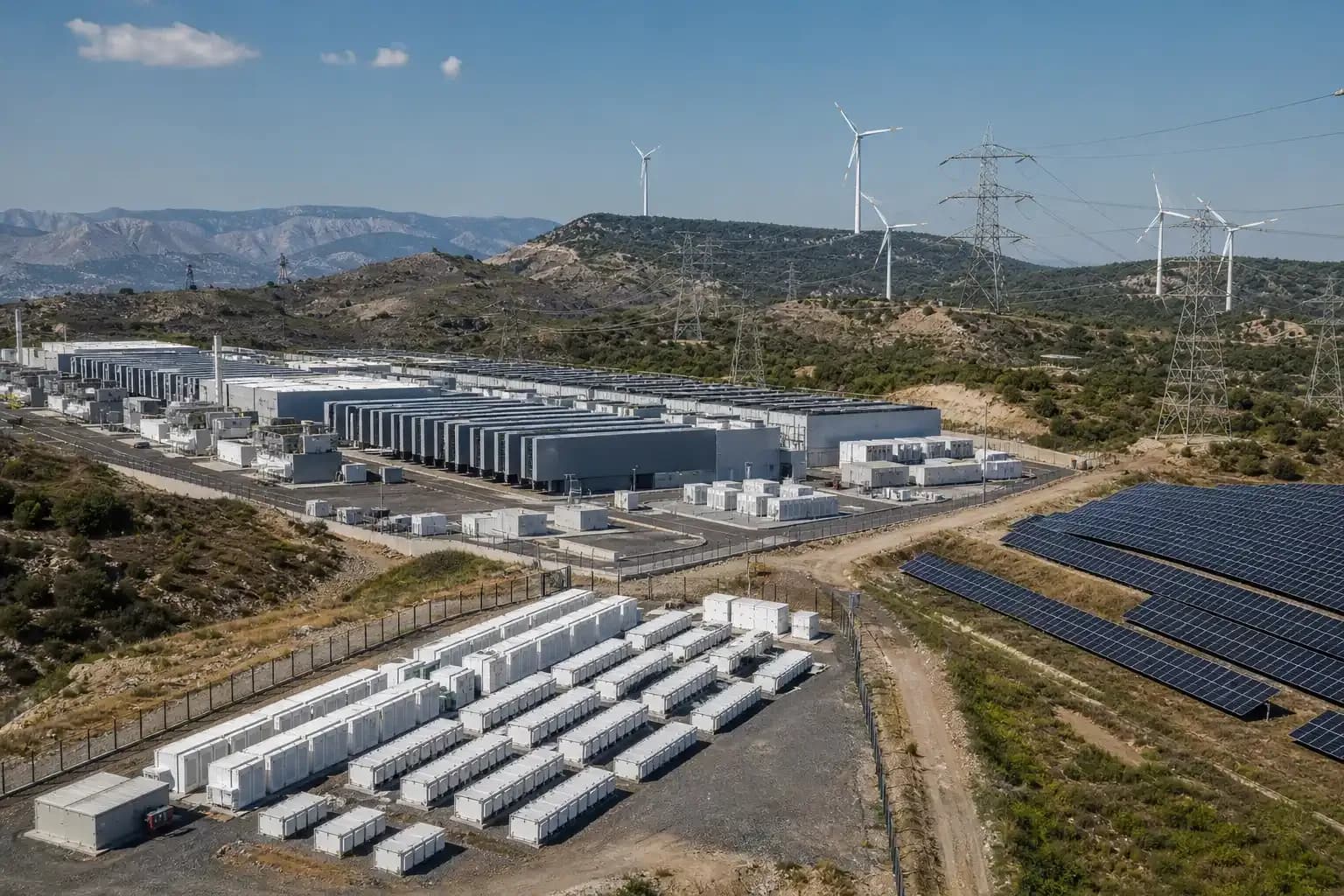
The International Renewable Energy Agency said the 2026 Antalya AI Pledge creates a framework for voluntary commitments that connect AI development with climate and sustainable development goals. In the agency’s account of the discussions at COP31 in Türkiye, AI data centres are described not only as new electricity demand, but also as potential participants in power systems through flexible workloads, storage and intelligent energy management.
The pledge is designed to turn knowledge, data, standards and best practices into voluntary commitments covering how AI is designed, procured, powered, deployed, measured and managed. For data centres, that approach links the growth of AI computing with renewable power, energy efficiency and operational choices that can respond to renewable generation patterns and local grid conditions.
Antalya Pledge Sets Voluntary Rules For How AI Is Powered And Managed
At COP31 in Türkiye, calls gathered momentum for a global pledge aimed at ensuring AI development advances alongside climate action. The 2026 Antalya AI Pledge is intended to translate existing knowledge and standards into practical voluntary commitments across the full AI chain, from design and procurement through deployment, measurement and management.
According to the International Renewable Energy Agency, that structure is directly relevant to the question of how growing AI demand is added to electricity systems. The organization said it supported the pledge, contributed to its drafting and is working with the International Telecommunication Union and other partners on issues related to power system transformation.
The article on the 2026 Antalya AI Pledge and green data centres presents the pledge as an opening for practical and transparent accountability. By including requirements for green data centres, it provides a basis for turning broad commitments into measurable action.
Flexible Workloads And Storage Can Help Data Centres Respond To Grid Conditions
The agency identifies power systems and data centres as the two main areas where the pledge matters most. On the power-system side, it says electricity networks are becoming more complex to operate as they integrate larger shares of variable renewables, storage, electric vehicles and flexible demand.
In that setting, digitalisation is described as moving beyond an efficiency tool and becoming an essential enabler of secure, affordable and renewable-based power systems. The same logic is then applied to AI facilities.
Rather than treating AI and data centres only as a new source of demand, the text says they can become participants in the electricity system through their planning, location and operation. It names three tools for that participation: flexible workloads, storage and intelligent energy management.
Those tools are linked to two specific grid conditions. One is periods when renewable generation peaks. The other is local network constraints. The text says data centres can use flexible workloads, storage and intelligent energy management to respond to those conditions.
In practice, the point made in the pledge framework is about when and how demand is placed on the grid. If some computing activity can be managed with flexibility, and if storage is available on site or as part of the wider system, new AI load can be operated in a way that aligns with renewable output or with the limits of local network infrastructure. The article does not set out a numerical target for that response, but it clearly places flexible operation alongside storage and grid management as part of the integration approach.
Renewable Power Remains The Priority Alongside Efficiency And Cooling
The text also sets out a second part of the green data-centre agenda: how facilities are powered. It says that supplying data centres with zero- and low-emission energy should prioritize the use of renewables.
That point is paired with a broader list of operational factors. Energy efficiency matters, as do effective cooling, circularity and responsible management of equipment. The text says those elements all matter alongside the sustainable integration of new data-centre demand into electricity grids.
It also draws a distinction between facility efficiency and electricity supply. Even highly efficient data centres can still have a climate impact if they are connected to carbon-intensive electricity. In the framework described at COP31, that means efficiency measures alone are not treated as sufficient. The power source remains central to whether growing AI demand is aligned with climate objectives.
The article refers to the World Energy Transition Outlook 2026 in stating that renewables offer an increasingly cost-competitive solution for meeting growing electricity demand, supported by grids and system flexibility. Within the pledge framework, that connects renewable supply, system flexibility and data-centre operation into one package rather than separate issues.
January 2027 Assembly Will Cover AI And Power System Transformation
The next step identified in the text is continued work on practical solutions and implementation with members, the International Telecommunication Union and industry. That work is tied specifically to questions raised by AI growth, data-centre electricity demand and the broader transformation of power systems.
The upcoming Assembly in January 2027 is expected to feature ministerial discussions on AI and power system transformation in the context of global efforts to advance electrification. That places the pledge within a continuing process focused on how AI infrastructure is powered, how its demand is integrated into grids and how measurable green data-centre requirements can be applied.
Across the measures listed in the text, the main operational message is that new AI demand does not have to be managed only as a fixed increase in electricity consumption. Under the 2026 Antalya AI Pledge, the combination of renewable power, efficient facility design, storage and intelligent management is presented as a way for data centres to work with changing renewable output and local network conditions.
SOURCES
- IRENA: Accelerating AI and Green Data Centres with Renewable ...