Top 10 Energy Efficient Technologies for US Homes by Savings
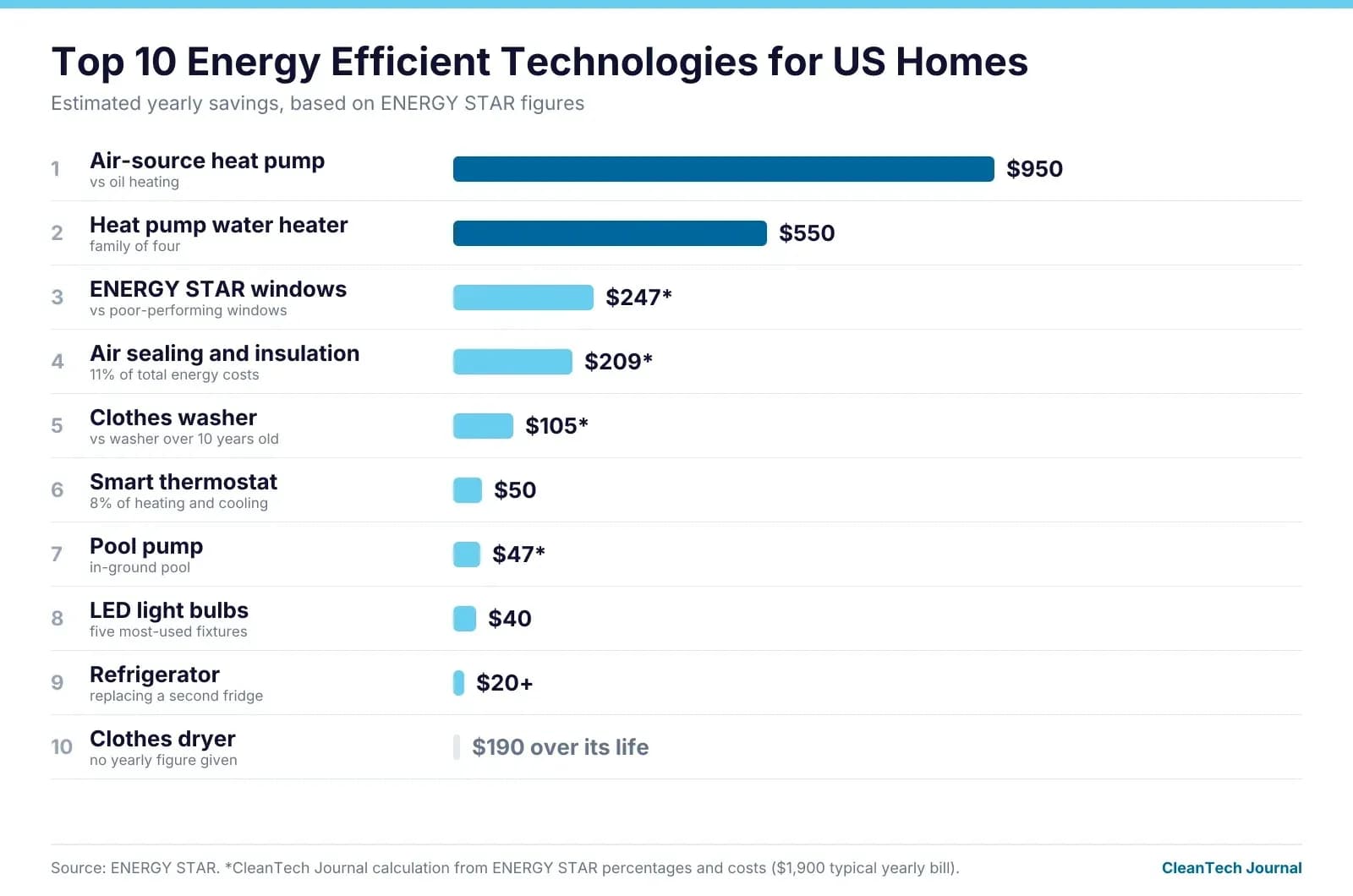
The top 10 energy efficient technologies for US homes, ranked by ENERGY STAR savings estimates, from heat pumps saving about $950 a year to LED bulbs.

Suraj Kadam
Published •25 min read
Not every efficiency upgrade pays back the same. Swapping your five most-used light bulbs for LEDs saves about $40 a year, while replacing an oil heating system with a heat pump can save about $950 a year, according to ENERGY STAR, the efficiency program run by the US Environmental Protection Agency.
We ranked the top 10 energy efficient technologies for US homes by the yearly savings ENERGY STAR estimates for each. Where ENERGY STAR gives a percentage rather than a dollar figure, we applied it to the program's typical household energy bill of about $1,900 a year.
Top 10 Energy Efficient Technologies at a Glance
Rank | Technology | Estimated yearly savings | Compared with |
|---|---|---|---|
1 | Air-source heat pump | About $950 | Oil heating system |
2 | Heat pump water heater | About $550 | Standard electric water heater, family of four |
3 | ENERGY STAR windows | About $247 | Poor-performing windows |
4 | Air sealing and insulation | About $209 | An unsealed, under-insulated home |
5 | ENERGY STAR clothes washer | About $105 | Standard washer over 10 years old |
6 | Smart thermostat | About $50 | No smart thermostat |
7 | ENERGY STAR pool pump | About $47 | Standard in-ground pool pump |
8 | LED light bulbs | About $40 | Incandescent bulbs, five most-used fixtures |
9 | ENERGY STAR refrigerator | More than $20 | An older second refrigerator |
10 | ENERGY STAR clothes dryer | About $190 over its life | Standard dryer |
Figures for windows, insulation, washers and pool pumps are CleanTech Journal calculations based on ENERGY STAR percentages and operating costs. Savings vary with climate, energy prices and how a home is used.
1. Air-Source Heat Pump
Saves about $950 a year when it replaces oil heating
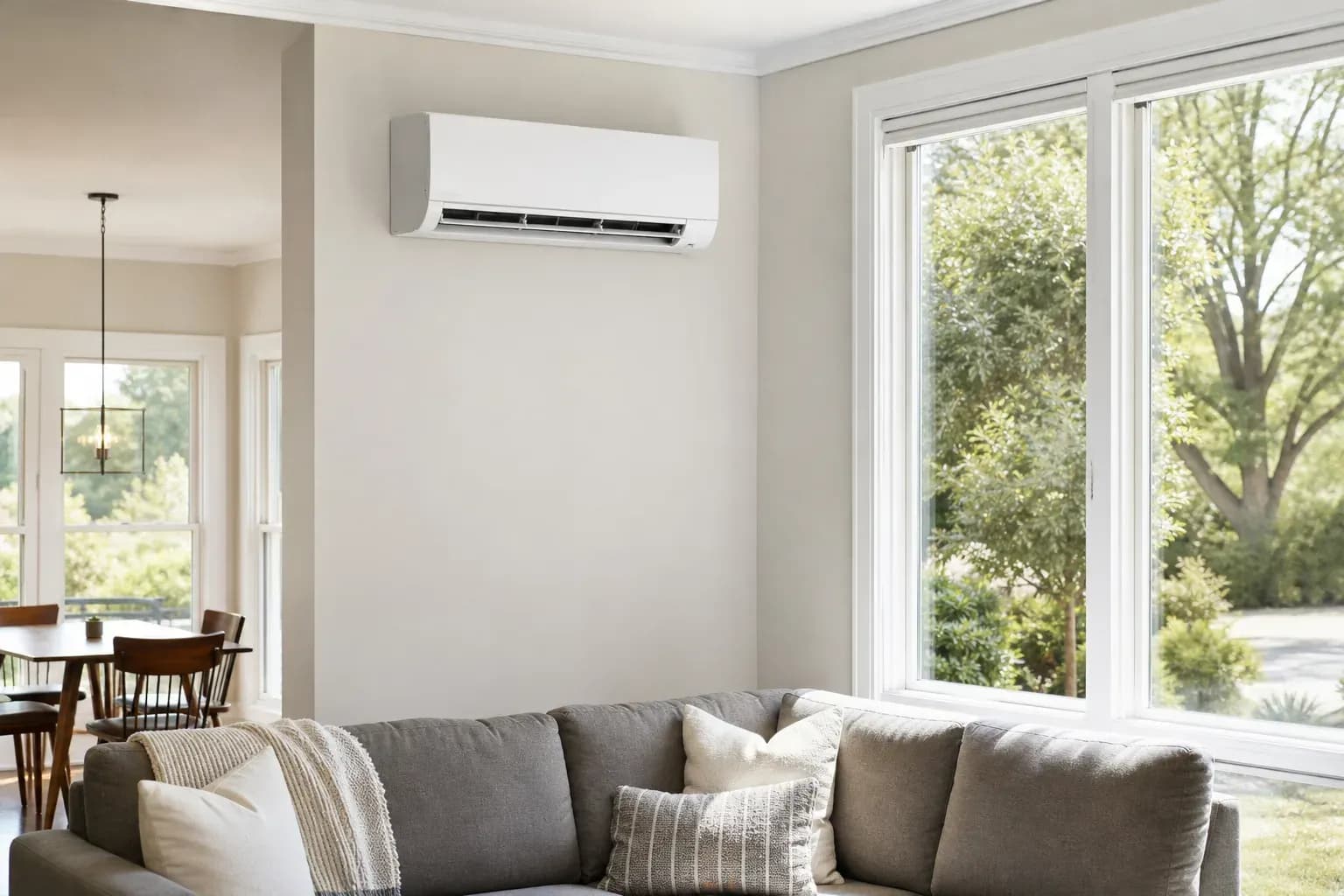
An air-source heat pump moves heat instead of making it, so it can deliver up to three times more heat energy than the electricity it uses. ENERGY STAR estimates that switching from oil heating to a certified heat pump saves about $950 a year on average.
The saving is smaller, but still large, when it replaces electric resistance heating: about $460 a year. Heat pumps also cool, and ENERGY STAR puts lifetime cooling savings at about $600 compared with conventional room air conditioners.
2. Heat Pump Water Heater
Water heating is one of the biggest energy costs in most homes, which is why this technology ranks so high. ENERGY STAR says certified heat pump water heaters are up to four times more efficient than conventional electric models.
- Family of four: about $550 a year, or $5,610 over the unit's life, with a payback of 2.7 years
- Household of three: about $410 a year
- Household of two: about $270 a year
3. ENERGY STAR Windows
Windows make up only about 8% of a home's surface area, but ENERGY STAR says they typically account for almost half of the heat lost or gained. Replacing poor-performing windows with certified models saves an average of about 13% on energy costs.
On a typical $1,900 yearly energy bill, that comes to about $247 a year. Windows are one of the more expensive upgrades, so the payback is usually longer than for the items below.
4. Air Sealing and Insulation
About $209 a year, often for a modest upfront cost
ENERGY STAR estimates that sealing air leaks and adding insulation saves homeowners an average of 15% on heating and cooling costs, or 11% on total energy costs. Applied to a $1,900 bill, that is about $209 a year.
The work usually focuses on the attic, basement, and gaps around doors, windows, pipes and wiring.
5. ENERGY STAR Clothes Washer
An ENERGY STAR certified washer costs under $80 a year to run, compared with $185 for a standard washer more than 10 years old. That difference is worth about $105 a year.
Certified washers also use about 20% less energy and 30% less water than standard models, and ENERGY STAR puts lifetime savings at about $360.
6. Smart Thermostat
ENERGY STAR certified smart thermostats save about 8% of heating and cooling bills, or $50 a year on average. Homes with high heating and cooling costs can save up to $100 a year.
They learn your schedule and adjust the temperature automatically, which avoids heating or cooling an empty home.
7. ENERGY STAR Pool Pump
For homes with an in-ground pool, the pump is a surprisingly large electricity user. ENERGY STAR says a standard in-ground pool pump costs about $260 a year to run, and certified models use 18% less energy.
That works out to about $47 a year, or about $290 over the pump's life according to ENERGY STAR.
8. LED Light Bulbs
LEDs use up to 90% less energy than incandescent bulbs. Replacing the bulbs in your five most-used fixtures with ENERGY STAR certified LEDs saves about $40 a year, according to ENERGY STAR.
It is the cheapest upgrade on this list and often the quickest to pay back.
9. ENERGY STAR Refrigerator
Biggest gain: dealing with an old second fridge
An older refrigerator in a basement or garage costs about $80 a year to run, according to ENERGY STAR. Replacing a second fridge with a certified model saves more than $20 a year, and switching it off for 10 months of the year saves more than $65.
Replacing an old main refrigerator with an ENERGY STAR model saves about $260 over its life.
10. ENERGY STAR Clothes Dryer
Certified dryers are about 20% more efficient than standard models on average. ENERGY STAR estimates lifetime savings of about $190, but does not give a yearly figure, so this upgrade ranks last.
How to Choose Which Energy Efficient Technologies to Install First
Start with the upgrades that match your biggest energy costs. In most homes, heating, cooling and water heating come first, which is why heat pumps, heat pump water heaters and insulation lead this ranking.
Also look at timing. Replacing equipment that is near the end of its life, such as an old water heater or furnace, usually makes more sense than replacing something that still works well. The federal tax credit for home efficiency upgrades ended for equipment installed after 2025, but many states and utilities still offer rebates, so check what is available locally before you buy.
Frequently Asked Questions
What does the ENERGY STAR label mean?
ENERGY STAR is a US government-backed program run by the Environmental Protection Agency. Products with the label have been independently certified to meet energy efficiency requirements set by the program.
Are energy efficient appliances worth it if my old one still works?
Often not right away. The best time to upgrade is usually when an appliance needs replacing anyway, because you pay only the extra cost of the efficient model rather than the full price.
Do energy efficient upgrades increase home value?
They can make a home more attractive to buyers by lowering running costs, and some upgrades, such as heat pumps and new windows, are visible selling points. The effect on price varies by market.
How can I find out where my home wastes the most energy?
A professional home energy audit can measure air leaks, insulation levels and equipment efficiency. Many utilities offer free or low-cost audits.
Can renters benefit from energy efficient technologies?
Yes. LED bulbs, smart power strips, efficient portable appliances and, with the landlord's permission, smart thermostats are all options that renters can usually take with them when they move.
SOURCES
- ENERGY STAR – Air Source Heat Pumps Fact Sheet, 2024
- ENERGY STAR – Heat Pump Water Heater Fact Sheet, 2024
- ENERGY STAR – Windows Fact Sheet, 2025
- ENERGY STAR – Why Seal and Insulate
- ENERGY STAR – Smart Thermostat FAQ
- ENERGY STAR – Product-Specific Savings, 2022
Written by
Suraj Kadam
Suraj Kadam is a journalist and Chief Editor of CleanTech Journal, a knowledge and media platform covering clean technology, solar energy, and renewable energy. He reports on emerging technologies, industry developments, policy trends, and innovations shaping the global clean energy transition. Through his editorial work, Suraj aims to make complex clean technology topics accessible to industry professionals, researchers, policymakers, and readers interested in sustainable energy. His work focuses on delivering insightful, informative, and engaging coverage of the evolving renewable energy landscape.