How a Home Battery Earns Money in a Virtual Power Plant
Learn how a home battery earns money in a virtual power plant, with step-by-step examples from US programs that pay per kWh delivered or per kW enrolled.

Suraj Kadam
Published •14 min read
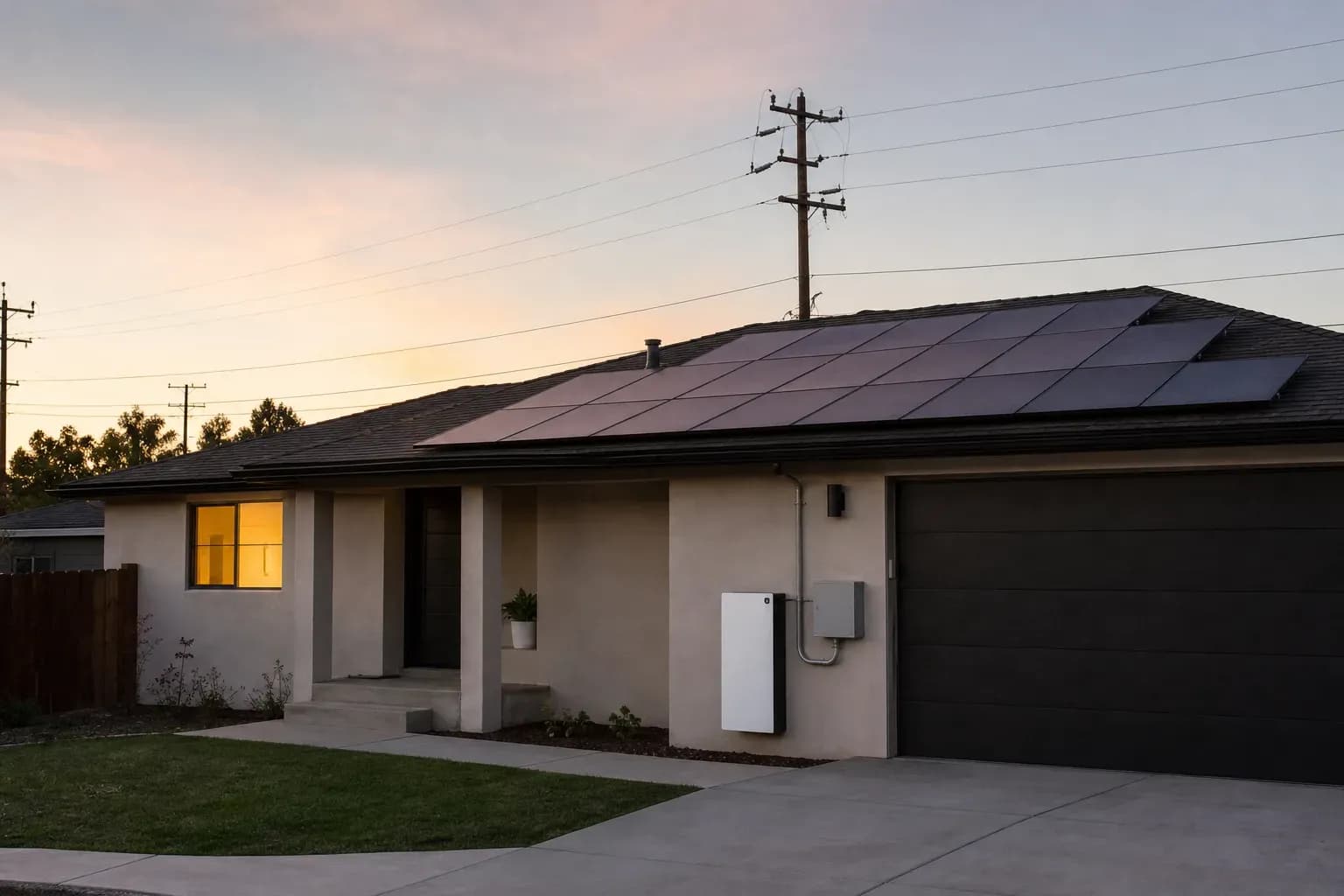
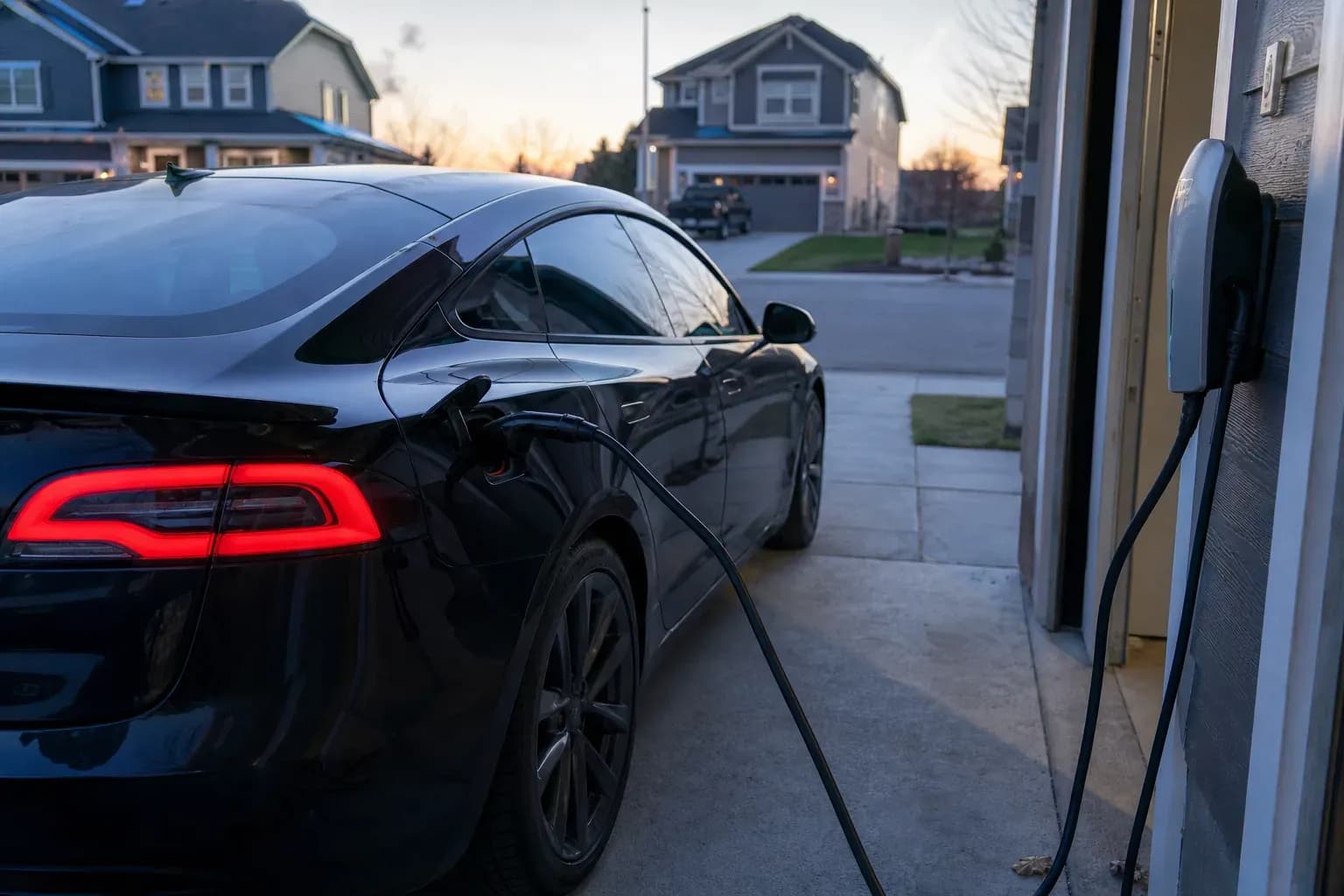
A home battery earns money in a virtual power plant by sharing a slice of its stored energy with the grid when demand peaks, and getting paid for it. The rest of the time, it works for you as usual, storing solar power and keeping a backup reserve for outages.
The idea is gaining ground fast. The US Department of Energy says virtual power plants have already reached 33 gigawatts across North America, and more utilities are now paying homeowners to join.
What Is a Virtual Power Plant?
The Department of Energy describes virtual power plants, or VPPs, as aggregations of distributed energy resources. In practice, software links thousands of home batteries, smart thermostats, EV chargers and rooftop solar systems so the grid operator can call on them together, as if they were one power station.
Instead of firing up a gas plant for a few hours on a hot evening, the grid can draw a little energy from many homes at once. That is where your battery comes in.
How a Home Battery Takes Part, Step by Step
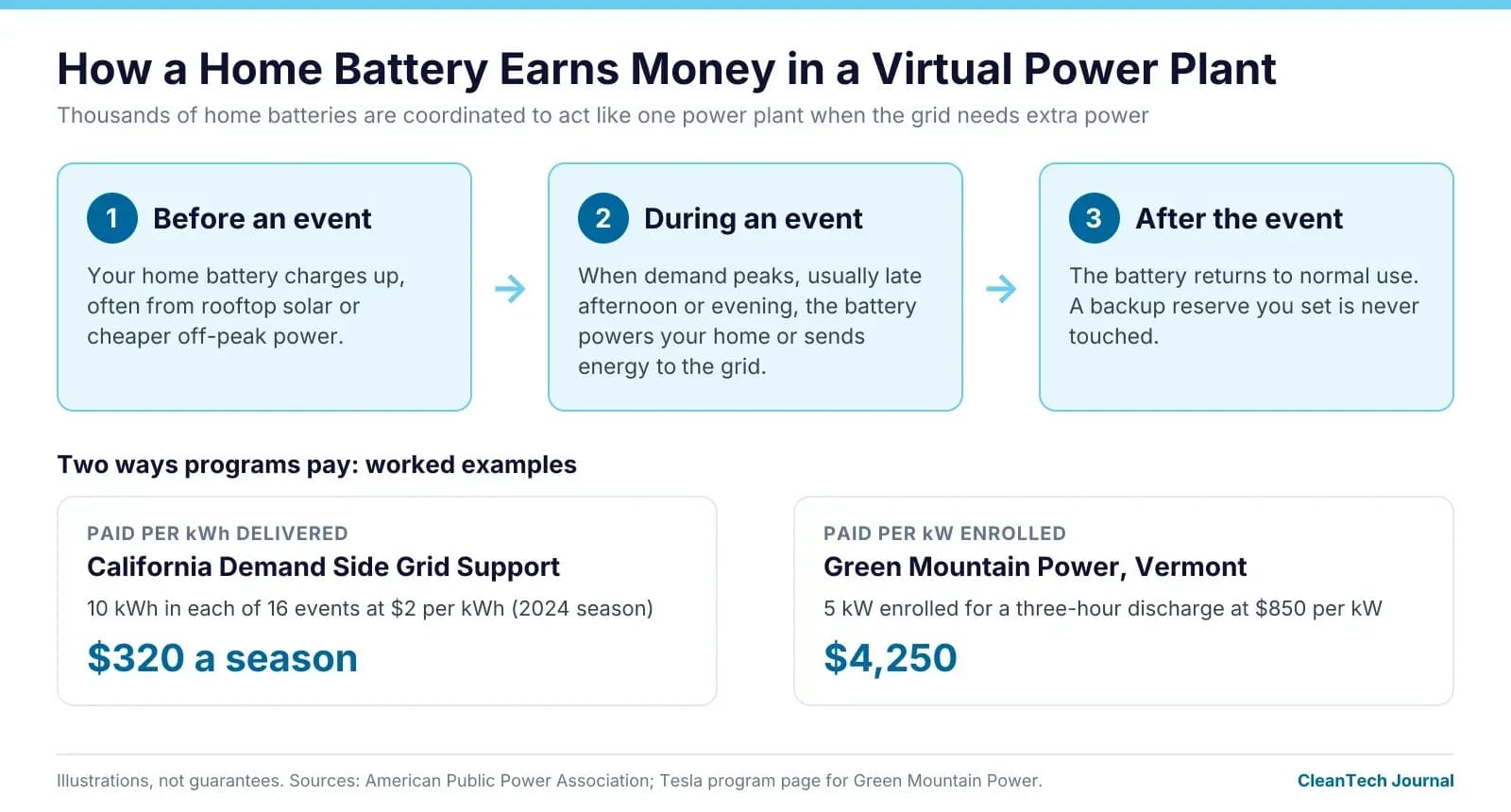
1. Before an event. The battery charges up, often from rooftop solar during the day or from cheaper off-peak power at night. Many programs send a notice ahead of time so the battery can top up.
2. During an event. When demand peaks, usually in the late afternoon or evening, the battery discharges. It either powers your home, so your home draws less from the grid, or sends energy back to the grid.
3. After the event. The battery returns to normal use. The backup reserve you set is never touched, so you still have power stored if there is an outage.
How the Payments Work
Programs pay in one of two main ways, and the difference has a big effect on how much you can earn.
Paid per kWh delivered | Paid per kW enrolled | |
|---|---|---|
What you are paid for | Energy your battery supplies during events | The battery capacity you sign up |
When you are paid | After each season or event | Usually as a fixed incentive |
Example program | California Demand Side Grid Support | Green Mountain Power, Vermont |
Worked Example: California, Paid per kWh
California's Demand Side Grid Support program had 515 megawatts of capacity and more than 265,000 participants enrolled by October 2024, according to the American Public Power Association. Some battery owners earned $2 for each kilowatt-hour they shared with the grid, and the battery program was called on 16 times during the 2024 season.
If a home battery delivered 10 kWh in each of those 16 events, it would have earned $320 for the season. A smaller contribution per event, or fewer events in a mild summer, would mean less.
Worked Example: Vermont, Paid per kW Enrolled
Green Mountain Power takes a different approach. For its bring-your-own-device program, Tesla's program page lists incentives of $850 per kilowatt of storage enrolled for a three-hour discharge and $950 per kilowatt for a four-hour discharge, up to $10,500.
Enrolling 5 kW of battery capacity for a three-hour discharge would be worth $4,250 at $850 per kW. In return, the utility can call events, which it has historically done three to four times a month, typically between 4 PM and 9 PM.
Why Utilities Pay for Your Battery
Electricity demand is rising, and new power plants and grid lines take years to build. The Department of Energy says deploying 80 to 160 gigawatts of virtual power plants by 2030 could serve 10% to 20% of peak load.
For a utility, paying thousands of battery owners can be quicker and cheaper than building a peaking plant that runs only a few hours a year. Our earlier report on how home batteries can earn money looks at the same shift from the homeowner's side.
What to Check Before You Join
Joining usually makes sense for battery owners, but read the program rules first.
- Backup reserve: make sure you can set a minimum charge the program will not use
- Opt-outs: check whether you can skip events, especially when a storm is forecast
- Costs: you still pay for the electricity used to charge the battery, and extra cycling adds some wear
- Commitment: some upfront incentives require you to stay enrolled for several years
- Payments: amounts are rarely guaranteed, and they may be taxable
Frequently Asked Questions
Do I need solar panels to join a virtual power plant?
Not always. Many programs accept standalone home batteries, smart thermostats or EV chargers, although a battery paired with solar usually has more energy to spare and can earn more.
Which home batteries can join a VPP?
It depends on the program. Most work with specific battery brands that their software can control, so check your utility's list of approved devices or your battery maker's app before you enroll.
Can I leave a VPP program?
Usually, yes. Many programs run on annual terms and allow you to cancel, but some upfront incentives require you to stay enrolled for several years or repay part of the incentive if you leave early.
Does taking part void my battery warranty?
Programs run by battery makers or approved partners are generally designed to work within the warranty, but extra cycling can count toward warranty limits on energy throughput. Check the warranty terms before you enroll.
How do I find a VPP program near me?
Start with your electric utility's website, your state energy office and your battery maker's app, as many manufacturers list the programs their batteries are approved for in each area.
SOURCES
- US Department of Energy – Pathways to Commercial Liftoff: Virtual Power Plants
- American Public Power Association – California Demand Side Grid Support program grows to 500 MW
- Tesla – Green Mountain Power Bring Your Own Device program
Written by
Suraj Kadam
Suraj Kadam is a journalist and Chief Editor of CleanTech Journal, a knowledge and media platform covering clean technology, solar energy, and renewable energy. He reports on emerging technologies, industry developments, policy trends, and innovations shaping the global clean energy transition. Through his editorial work, Suraj aims to make complex clean technology topics accessible to industry professionals, researchers, policymakers, and readers interested in sustainable energy. His work focuses on delivering insightful, informative, and engaging coverage of the evolving renewable energy landscape.