American Families And Businesses Could Save $39 Billion Via Wyoming Intertie
A conditional loan commitment of up to $2.8 billion for Wyoming Intertie is tied to an estimated $39 billion in electricity cost savings across 17 states and 1.8 GW of added transfer capacity.

CTJ Desk
Published •8 min read
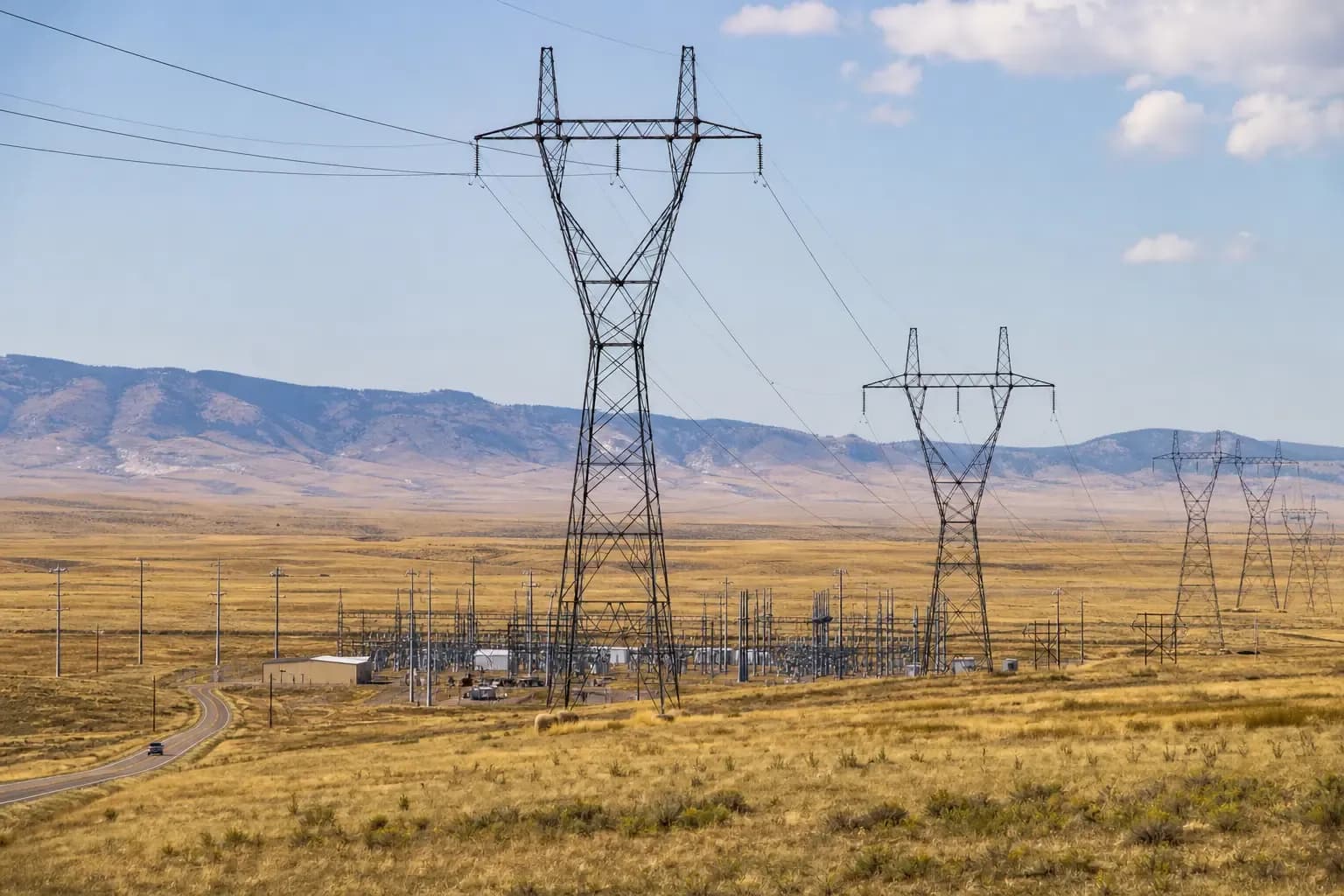
According to the U.S. Department of Energy, Grid United’s Wyoming Intertie project could deliver up to $39 billion in electricity cost savings for American families and businesses across 17 states in the Western Electricity Coordinating Council and Southwest Power Pool regions. The project is also designed to add about 1.8 GW of electricity transfer capacity across Wyoming, creating a larger path for power to move between the two regional grids as demand grows.
The agency announced a conditional loan commitment of up to $2.8 billion for the project. If completed, Wyoming Intertie would double existing transfer capacity between the two regions while also supporting grid reliability during periods of high demand and extreme weather.
Up To $39 Billion In Savings Is Tied To A Larger Power Link Across 17 States
The central consumer-facing figure attached to Wyoming Intertie is the estimate of up to $39 billion in electricity cost savings for families and businesses. That estimate covers 17 states located within the Western Electricity Coordinating Council and Southwest Power Pool regions.
The project described in the Energy Department’s announcement on the Wyoming Intertie loan commitment combines a transmission expansion in Wyoming with a larger ability to transfer electricity between the two regional systems. In practical terms, the stated purpose is to move more electricity where it is needed and to do so over a bigger connection than exists today.
The source ties the cost-saving estimate directly to that added transfer capability. It does not separate the $39 billion total by state or customer class, but it does specify that the savings are expected to reach both households and businesses across the 17-state footprint.
Wyoming is the physical location of the project, yet the stated reach of the savings is broader because the line connects larger regional grids rather than serving a single city or utility territory. The source also links the project to lower electricity costs in Wyoming specifically, alongside broader benefits across the two regional systems.
The Project Would Add About 1.8 GW And Double Existing Transfer Capacity
Wyoming Intertie is expected to add approximately 1.8 GW of electricity transfer capacity. The source says that addition would double the existing transfer capacity between the Southwest Power Pool and the Western Electricity Coordinating Council regions.
That doubling matters because the project is intended to let more electricity flow across Wyoming from one regional grid to the other. A transfer path of this type does not create electricity on its own; instead, it expands the amount of power that can be moved over the transmission network between different areas of the grid.
The agency says the expanded link would help meet growing demand. It also says the added transfer capability would improve grid resilience during periods of high demand and extreme weather. In the context of the source, resilience is tied to having a larger route for electricity to move when demand rises or system conditions become more difficult.
The source also connects the project to growing energy needs nationwide. The stated role of Wyoming Intertie is therefore twofold: increase the amount of electricity that can be transferred across the state, and make it easier for the two grid regions to exchange power when demand conditions call for it.
A Conditional Commitment Of Up To $2.8 Billion Still Requires Final Review
The financing announced for Wyoming Intertie is a conditional loan commitment of up to $2.8 billion. That means the federal government has indicated its intent to provide the loan, but the financing is not yet final.
Before definitive financing documents are signed and any loan funds are disbursed, the project must satisfy technical, legal, environmental, and financial conditions. Those conditions are part of the remaining process before the commitment can move to a closed loan.
The U.S. Department of Energy said the commitment was made through its Office of Energy Dominance Financing. In general, a conditional commitment is an intermediate step in federal lending: it identifies proposed support for a project while leaving final funding subject to due diligence and completion requirements.
For Wyoming Intertie, the announced figure sets the upper limit of the proposed federal loan support at $2.8 billion. The source does not present the line as fully funded at this stage; instead, it sets out the conditions that still have to be met before financing documents are finalized.
Construction Jobs, Operations Roles, And A 30-Year Project Life Are Also Part Of The Plan
Beyond electricity costs and transfer capacity, the project is also expected to create jobs in Wyoming. The source says Wyoming Intertie will create hundreds of construction-related jobs, along with long-term operations jobs.
Those employment effects are tied to a project life of 30 years. Over that period, the source says the project would support local economic growth while the transmission asset remains in operation.
The source presents these workforce and operating details alongside the project’s reliability and affordability goals. In that framing, the line is intended to do several things at once: lower electricity costs, expand the amount of power that can move between two regional grids, improve resilience during high-demand and extreme-weather periods, and support construction and operations employment over multiple decades.
What comes next is the completion of the remaining project conditions attached to the conditional commitment. If those technical, legal, environmental, and financial requirements are met, the parties can move to definitive financing documents and loan funding.
SOURCES
- US Department of Energy: Energy Department Announces $2.8 Billion Loan to Strengthen Grid Reliability and Help Lower Costs in Wyoming